
SR-22 Insurance for College Students — Alabama
Free to compare
The College Student SR-22 Bind
You received a suspension notice at your campus mailbox — DUI arrest from spring break, or driving uninsured to an off-campus job — and Alabama's reinstatement letter requires SR-22 filing for three years. You don't own a vehicle. Your parents' policy covers you when you're home, but the carrier won't add SR-22 to their policy because you weren't the named insured when the violation occurred. Every quote tool assumes you have a car titled in your name and a permanent address, and neither assumption fits your situation.
This article walks the specific SR-22 pathway for Alabama college students whose suspension intersects with transient housing, shared vehicle access, parental policy complications, and summer-break coverage gaps. The reinstatement process is the same as any Alabama driver, but the insurance mechanics are structurally different when you don't fit the standard policyholder profile.
“Your parents' policy cannot file SR-22 for your violation unless you were the named insured when the incident occurred.”
Get Your Alabama SR-22 Filed Without the Markup
Get My Alabama SR-22 Auto Insurance Quote$35–$65/month
Alabama Non-Owner SR-22 Range
Non-owner SR-22 policies cost significantly less than standard auto policies because they carry liability-only coverage with no collision or comprehensive. This is the typical monthly range for college-age drivers in Alabama with one DUI or uninsured-driving suspension on record.
Estimates based on Alabama carrier filings for non-owner liability; individual rates vary by county and violation details.
What SR-22 Actually Is
SR-22 is not insurance. It is a certificate your insurance carrier files electronically with the Alabama Law Enforcement Agency proving you carry at least the state's minimum liability coverage: $25,000 per person for bodily injury, $50,000 per accident, and $25,000 for property damage. ALEA requires SR-22 filing for three years following DUI convictions, uninsured-driving suspensions, and certain other violations. The filing itself has no premium — carriers typically charge a one-time $25–$50 processing fee to submit the SR-22 form — but your premium reflects your violation history.
The structural problem for college students: SR-22 must be attached to an active insurance policy. If you don't own a vehicle and aren't the named insured on a policy, you need a non-owner SR-22 policy. This is a liability-only policy that covers you when driving vehicles you don't own — rentals, friends' cars, Zipcar, campus vehicles for work-study jobs. The carrier files SR-22 with ALEA on your behalf, satisfying the reinstatement requirement without requiring you to title a vehicle in your name.
Your parents' policy cannot file SR-22 for your violation unless you were the named insured when the incident occurred. Most carriers refuse to add SR-22 to a policy where the suspended driver is listed only as an occasional driver.



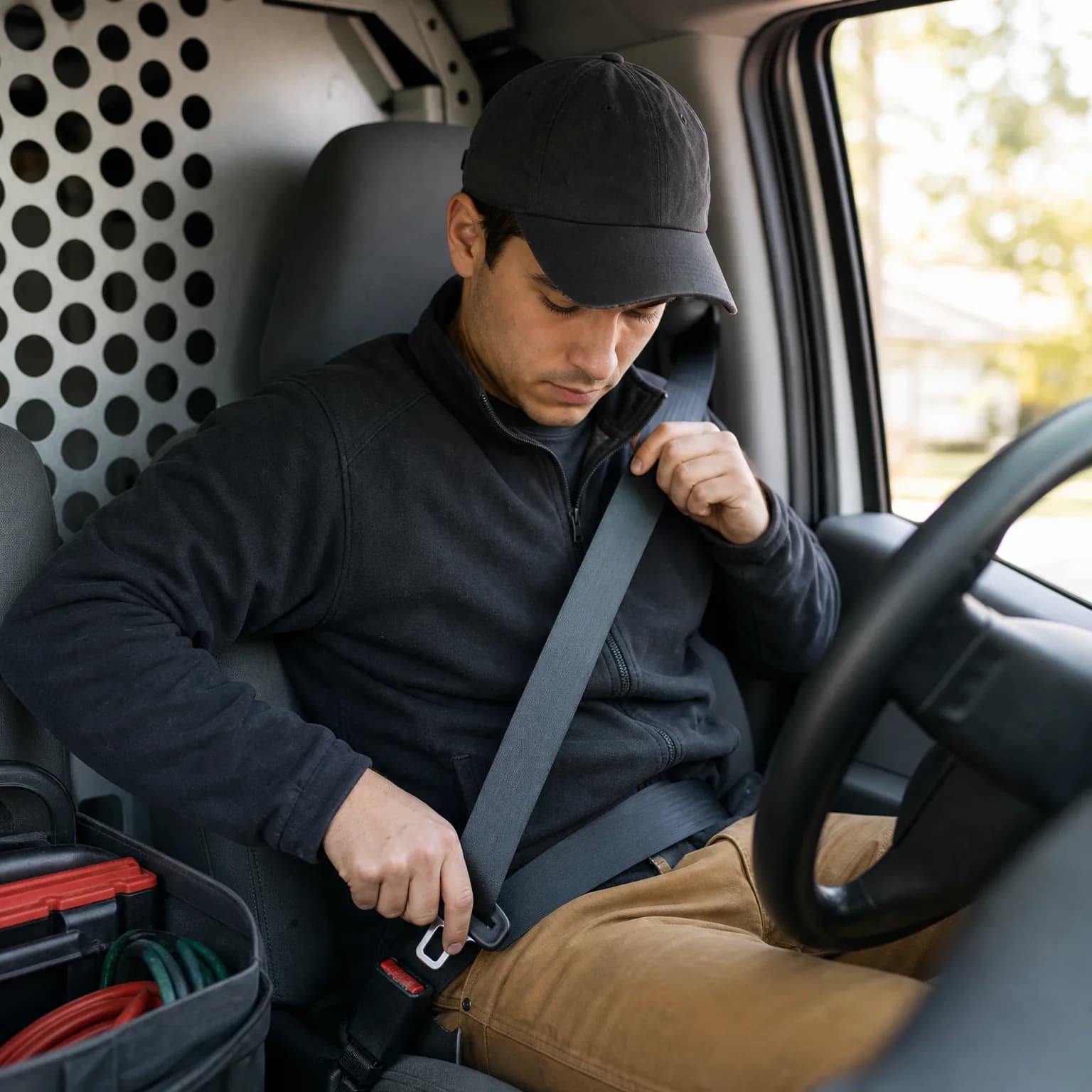

Address and Residency Friction
Insurance carriers require a garaging address — the location where the insured vehicle is parked overnight, or in the case of non-owner policies, your primary residence. College students toggle between campus housing during the academic year and a family address during breaks, and this creates underwriting confusion. Most carriers allow you to list your campus address as primary and update it to your family address during summer, but some require consistency across the full policy term and reject mid-term address changes as material modifications that void coverage.
Alabama allows you to maintain a driver license with your family address even when you live on campus nine months of the year, and ALEA does not require address updates for temporary student housing. Your SR-22 filing ties to your license address, so discrepancies between your license, your insurance policy address, and your actual campus residence can trigger carrier underwriting reviews. The safest approach: list your family address as the policy garaging address if you return home every summer and maintain that address on your Alabama license. If you work in Alabama year-round and do not return to your family address, update your license to your actual residence and use that address for insurance. Inconsistency between the two creates a coverage gap risk if you file a claim.
Out-of-state students attending Alabama colleges face a different friction point. If your license was suspended in your home state and you're attending school in Alabama, your home state's SR-22 requirement does not automatically transfer to Alabama. You must reinstate in the state that suspended you. Some states accept SR-22 filings from out-of-state carriers; others require in-state carriers only. If you moved to Alabama permanently and surrendered your out-of-state license, you must complete Alabama reinstatement under Alabama's rules, which includes obtaining an Alabama license and Alabama SR-22 filing. The reverse also applies: Alabama residents attending out-of-state colleges must maintain Alabama SR-22 filing with an Alabama-licensed carrier even when living in another state for school.
3 years
Alabama SR-22 Filing Period
Alabama Code § 32-7-25 requires three years of continuous SR-22 filing following DUI-related reinstatements and certain other violations. The clock starts on your reinstatement date, not your conviction date. Any lapse in coverage during the three-year period triggers automatic re-suspension and restarts the filing period from day one.
Alabama Code § 32-7-25; ALEA Driver License Division reinstatement rules
Parental Policy Complications
Many college students are listed as occasional drivers on their parents' auto policy, covered when they drive the family vehicle during breaks. This arrangement does not satisfy Alabama's SR-22 requirement. SR-22 must be filed by the carrier insuring the suspended driver as a named insured, not an occasional or secondary driver. If you were listed on your parents' policy when the violation occurred, some carriers allow the parent policyholder to add SR-22 filing to the existing policy, but this is carrier-dependent and often results in a significant premium increase that the parent may be unwilling to absorb.
The cleaner path: purchase your own non-owner SR-22 policy, maintain it independently for the required three years, and remain listed as an excluded driver on your parents' policy during that period. Exclusion means the parents' policy explicitly does not cover you when you drive their vehicles, eliminating the carrier's liability and preventing rate increases tied to your violation. You remain covered under your non-owner policy when driving other vehicles. When the three-year SR-22 period ends and your violation ages off, you can be re-added to your parents' policy as a standard driver, and you drop the non-owner policy.
Compare Alabama Non-Owner SR-22 Carriers
Alabama carriers writing non-owner SR-22 policies include Dairyland, GAINSCO, The General, Progressive, Geico, and USAA. Monthly premiums range from $35 to $110 depending on your violation details, age, county, and the carrier's appetite for non-standard risk. Dairyland, GAINSCO, and The General specialize in high-risk and SR-22 filings, often offering the lowest rates for drivers with DUI or uninsured-driving suspensions. Progressive and Geico write non-owner policies but price them higher for college-age drivers with violations. USAA offers competitive non-owner SR-22 rates but restricts eligibility to military members, veterans, and their families. Not all carriers offer online quoting for non-owner policies — some require phone contact or agent involvement to underwrite the risk.
When comparing carriers, confirm the policy includes Alabama's minimum liability limits and verify the carrier will file SR-22 electronically with ALEA within 24 hours of policy binding. Some non-standard carriers batch-file SR-22 forms weekly rather than immediately, delaying your reinstatement eligibility. Confirm the filing timeline before purchasing. Request a copy of the SR-22 filing confirmation for your records; ALEA processes filings within 1–5 business days, and you can verify receipt by checking your ALEA driver record online or calling the Driver License Division directly.
Non-Owner SR-22 Solves Most College Cases
A non-owner policy covers liability when you drive vehicles not titled in your name. This includes borrowing your roommate's car for grocery runs, renting a U-Haul to move dorms, or driving a campus shuttle for a work-study position. The policy does not cover a vehicle you own or one registered to your household address, so if your parents buy you a car and title it in your name, the non-owner policy becomes invalid and you must convert to a standard auto policy with SR-22 attached. Carriers writing non-owner SR-22 in Alabama include Dairyland, GAINSCO, The General, Progressive, Geico, and USAA.
The SR-22 filing stays active as long as you maintain continuous coverage and pay premiums on time. If you let the policy lapse — even for one day — the carrier automatically notifies ALEA, your reinstatement is revoked, and you start the suspension period over from day one. College students often lapse during summer break when they assume they don't need coverage because they're not driving; Alabama does not recognize a grace period for seasonal non-use. The three-year SR-22 clock runs from your reinstatement date, not your conviction date, so any lapse restarts the timeline.
Get Your Free Quote
Get My Alabama SR-22 Auto Insurance QuoteFrequently Asked Questions
Can I use my parents' car insurance for Alabama SR-22 filing?
Only if you were the named insured on their policy when the violation occurred. Most carriers refuse to add SR-22 to a policy where the suspended driver is listed only as an occasional driver. The cleaner solution: purchase your own non-owner SR-22 policy and remain excluded from your parents' policy during the three-year filing period.
Do I need SR-22 insurance during summer break if I'm not driving?
Yes. Alabama requires continuous SR-22 coverage for the full three-year period regardless of whether you're actively driving. If your policy lapses during summer break, ALEA revokes your reinstatement automatically and you start the three-year clock over from day one.
What address should I use for non-owner SR-22 insurance as a college student?
Use your family address if you return home every summer and maintain that address on your Alabama driver license. If you work in Alabama year-round and do not return to your family address, use your actual Alabama residence. Discrepancies between your license address and policy address create coverage gap risks.
How much does non-owner SR-22 insurance cost in Alabama for college students?
Typically $35–$65 per month for college-age drivers with one DUI or uninsured-driving violation. Carriers specializing in high-risk filings like Dairyland, GAINSCO, and The General often offer the lowest rates. Progressive and Geico write non-owner SR-22 but price higher for young drivers with violations.
Can I get Alabama SR-22 insurance if I attend school out of state?
Yes, but you must maintain Alabama SR-22 filing with an Alabama-licensed carrier even when living in another state for school. Your SR-22 filing ties to your Alabama license and Alabama's reinstatement requirements, not your temporary residence. Verify the carrier writes policies in Alabama and files SR-22 electronically with ALEA.
What happens if my non-owner SR-22 policy lapses?
The carrier notifies ALEA automatically, your reinstatement is revoked, and your license is re-suspended. You must purchase a new SR-22 policy, pay Alabama's $100 reinstatement fee again, and restart the three-year SR-22 filing period from the new reinstatement date. There is no grace period for lapses.