
Cheapest SR-22 Insurance for Delivery Drivers — Alabama
Free to compare
The Coverage Gap Most Delivery Drivers Miss
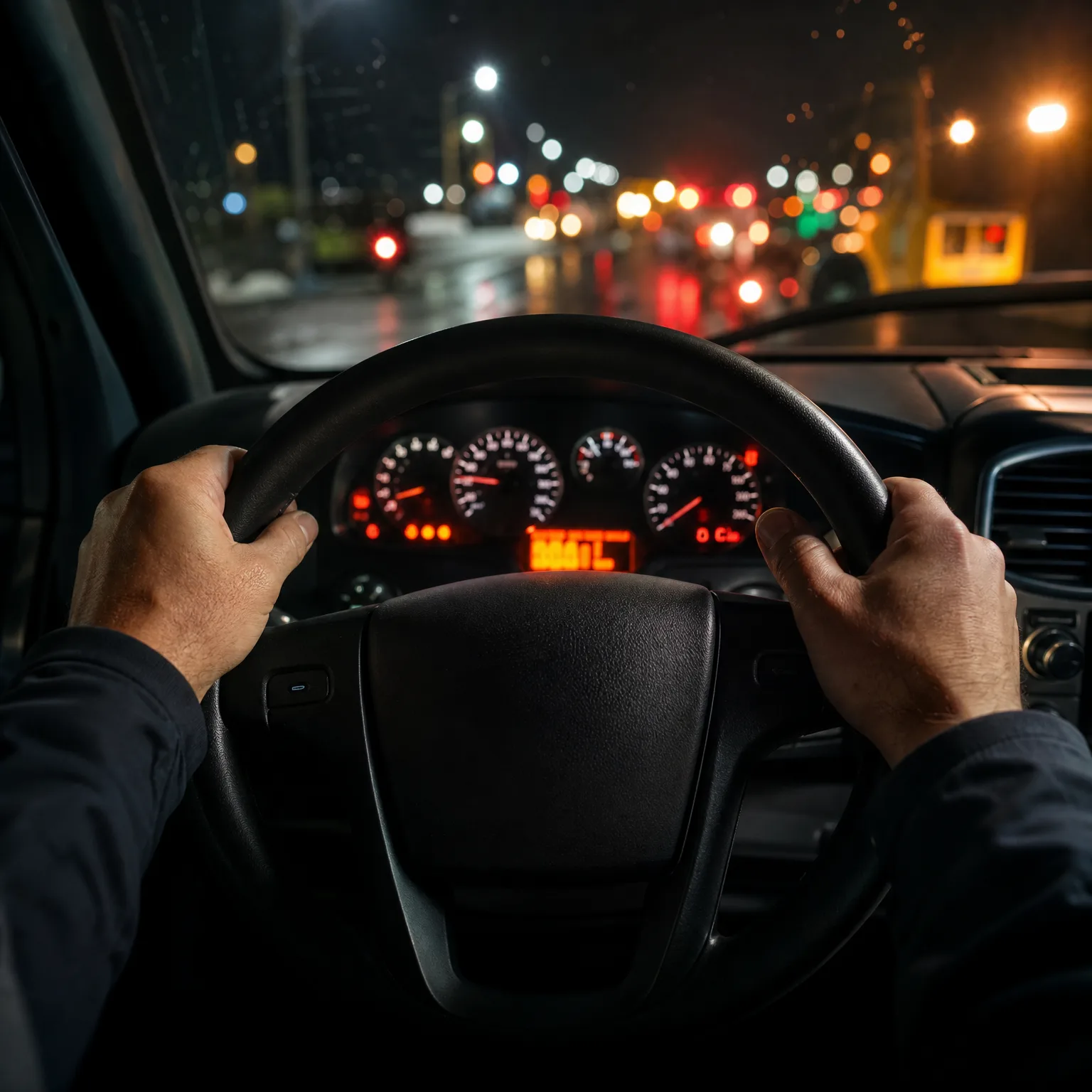
You received your Alabama SR-22 requirement after a DUI, insurance lapse, or suspension, secured a personal auto policy with SR-22 filing, and returned to delivery driving—DoorDash, Uber Eats, Instacart, or another platform. Two months later your carrier sends a denial letter for a fender-bender claim that happened during a delivery. The reason: your personal policy excludes commercial use, and delivery driving counts as commercial. Your SR-22 filing stays active, but the coverage you thought protected you during paid work doesn't exist.
This is the structural trap suspended Alabama drivers working gig delivery face. SR-22 is a state filing requirement, not a coverage type—it certifies you carry Alabama's minimum liability ($25,000 per person, $50,000 per accident bodily injury, $25,000 property damage). But SR-22 can attach to personal, commercial, or hybrid policies. Most budget SR-22 carriers write personal-only policies that explicitly exclude delivery platform use. You're legal for personal driving, uninsured the moment you toggle the app on.
“Most budget SR-22 carriers exclude delivery platform driving—your SR-22 stays active, but coverage vanishes the moment you toggle the app on.”
Get Your Alabama SR-22 Filed Without the Markup
Get My Alabama SR-22 Auto Insurance Quote$140–$220/mo
Alabama Delivery Driver SR-22 Range
Hybrid policies covering personal and gig delivery with SR-22 filing typically cost $140–$220 monthly for drivers with one DUI or suspension, compared to $85–$140 for personal-only SR-22 that excludes delivery work. The gap reflects actual commercial exposure pricing.
Industry rate estimates, Alabama non-standard carrier filings 2024
Why Standard SR-22 Policies Exclude Delivery Work
Personal auto insurance covers commuting, errands, and recreational driving. The moment compensation enters—passenger fares, food delivery fees, package transport—the vehicle's use classification changes to commercial or for-hire under Alabama insurance law. Carriers price personal policies on the assumption the vehicle is not generating income. Delivery driving increases annual mileage, introduces time-pressure incentives that affect driving behavior, and exposes the vehicle to higher-density traffic patterns during meal and errand rush windows.
Standard SR-22 carriers writing high-risk drivers—Dairyland, The General, Bristol West, Direct Auto—offer personal policies only. Their underwriting models assume the SR-22 driver is not generating vehicle-based income. When you apply, the application asks about business use. If you answer truthfully that you drive for a delivery platform, most decline or exclude delivery hours from coverage. If you omit it and file a claim during delivery, the carrier investigates, discovers the platform activity through GPS timestamps or delivery app records, and denies the claim for material misrepresentation. Your SR-22 stays on file with ALEA, but you are personally liable for the accident costs.
Alabama does not require delivery platforms to provide liability coverage during logged-in periods when you are not actively transporting an order. DoorDash, Uber Eats, Instacart, and similar platforms provide contingent liability only while an order is in-progress (accepted and en route to pickup, or en route to delivery). The gap between logging in and accepting the first order, and the minutes between completing one delivery and accepting the next, fall to your personal policy. If that policy excludes delivery use, you are uninsured during those windows.
Most Alabama SR-22 carriers exclude delivery platform driving from coverage—disclosure is required at application, and omission voids claims during paid work.



The Non-Owner SR-22 Exception and Its Limits
If you do not own a vehicle and rent or borrow cars for delivery work, Alabama allows non-owner SR-22 policies. Dairyland, The General, GEICO, and Progressive write non-owner SR-22 in Alabama at $45–$85 monthly. Non-owner policies provide liability coverage when you drive a vehicle you do not own—rentals, borrowed cars, or platform-provided vehicles. The SR-22 filing satisfies ALEA's reinstatement or hardship license requirement without requiring vehicle ownership.
Non-owner SR-22 does not cover delivery platform use. The policy is personal liability-only. If you drive a borrowed vehicle for DoorDash and cause an accident during delivery, the non-owner policy excludes the claim under the same commercial-use exclusion personal policies carry. The car owner's policy becomes primary, and if that policy also excludes delivery use, you are uninsured. Non-owner SR-22 works for suspended drivers who need filing to satisfy reinstatement but are not yet driving. It does not work as delivery driver coverage.
Some delivery drivers attempt to stack non-owner SR-22 with the platform's contingent coverage, assuming the platform policy fills the gap. This is a dangerous miscalculation. Platform contingent policies only activate when the driver's personal policy has been exhausted or denied. If you have no valid personal coverage during the delivery window because your non-owner policy excluded the use, the platform's contingent policy may also deny on the grounds that you failed to maintain required coverage. You are left personally liable for the full claim amount.
3 years
Alabama SR-22 Filing Period
Alabama requires SR-22 filing for 3 years following a DUI conviction or license suspension for insurance-related violations, measured from the conviction or reinstatement date. Any lapse in coverage during the 3-year window restarts the clock and triggers a new suspension under Alabama Code § 32-7A. Delivery drivers switching carriers mid-term must ensure the new carrier files SR-22 before the old policy cancels.
Alabama Law Enforcement Agency Driver License Division, Alabama Code § 32-7A
How to Compare Carriers Writing Both SR-22 and Delivery Coverage
Start with the carriers confirmed to write hybrid or commercial policies with SR-22 in Alabama: Progressive, GEICO, State Farm (hybrid via agent), National General, and Bristol West (commercial via broker). Call or quote online, disclosing both the SR-22 requirement and delivery platform use upfront. Do not attempt to add the delivery endorsement after securing the SR-22 policy—most carriers will re-underwrite and may cancel if they discover the omission.
Request a declarations page during the quote process showing both the SR-22 filing and the delivery or commercial-use endorsement by name. Verify the SR-22 certificate lists Alabama Law Enforcement Agency as the certificate holder and shows the correct 3-year filing period. Confirm the delivery endorsement or commercial-use rider appears as a separate line item on the policy schedule. If the agent cannot provide a written endorsement confirming delivery coverage, the policy does not cover it regardless of verbal assurances.
Compare total monthly cost including the endorsement, not the base rate alone. A $95/month personal SR-22 quote that excludes delivery is not cheaper than a $140/month hybrid quote that covers it—the first option leaves you uninsured during paid work. Factor the delivery endorsement cost into your platform earnings calculation. If the hybrid premium exceeds your monthly delivery net after expenses, the platform work is not financially viable under Alabama's SR-22 structure and you may need to pause delivery until the 3-year SR-22 period ends.
Compare Alabama SR-22 Carriers Covering Delivery Work
You need a quote showing both SR-22 filing and delivery platform coverage confirmed in writing on the declarations page. Progressive and GEICO offer online quotes for hybrid policies but require phone follow-up to add SR-22 to the delivery endorsement—start the quote online, then call to finalize. State Farm requires an in-person agent appointment for all SR-22 hybrid policies in Alabama; locate an agent via statefarm.com and schedule before your current policy lapses. National General and Bristol West write commercial SR-22 through independent brokers only—search for a broker writing commercial auto in your Alabama county and request a commercial delivery quote with SR-22 filing specified at application.
Three Coverage Paths That Work for SR-22 Delivery Drivers
Hybrid personal/commercial endorsement: A personal auto policy with a delivery or rideshare endorsement added by rider. Progressive, GEICO, and State Farm write hybrid policies in Alabama that cover both personal driving and delivery platform use under one policy. The SR-22 filing attaches to the base policy and remains valid during all covered use. Monthly premiums run $140–$220 for drivers with one DUI or suspension. The endorsement adds $35–$60 monthly on top of the personal SR-22 base rate. Not all Progressive or GEICO agents write hybrid policies with SR-22—ask specifically whether the endorsement is available for high-risk drivers. State Farm writes SR-22 hybrid policies in Alabama but requires an in-person agent visit and manual underwriting review, adding 5–10 business days to the quote process.
Commercial auto policy with SR-22: A full commercial policy covering the vehicle as a business asset. National General, Bristol West (via broker), and some independent agency networks write commercial auto with SR-22 filing in Alabama. Monthly premiums start at $200 and climb to $350+ depending on vehicle value, delivery platform type, and violation history. Commercial policies remove personal-use exclusions entirely—you are covered at all times, on or off the app. This path makes sense for drivers operating multiple vehicles, combining delivery with other business use, or carrying high-value vehicles where the gap risk is unacceptable. Most commercial SR-22 policies require a commercial driver's license or business entity registration—check carrier requirements before applying.
Get Your Free Quote
Get My Alabama SR-22 Auto Insurance QuoteFrequently Asked Questions
Can I use a personal SR-22 policy for DoorDash or Uber Eats delivery in Alabama?
No. Personal SR-22 policies exclude commercial use, and delivery platform driving counts as commercial under Alabama insurance law. You need a hybrid policy with delivery endorsement or a commercial policy with SR-22 filing. Progressive, GEICO, and State Farm write hybrid policies in Alabama; expect $140–$220/month for drivers with one DUI or suspension.
What happens if I don't tell my SR-22 carrier I drive for a delivery platform?
Your carrier will deny any claim that occurs during delivery work for material misrepresentation, but your SR-22 filing stays active with ALEA. You remain personally liable for accident costs, and the platform's contingent coverage will not activate because your personal policy exclusion means you failed to maintain required coverage. Omission does not save money—it eliminates coverage.
Does DoorDash or Uber Eats insurance cover me if I have SR-22 in Alabama?
Platform contingent liability only activates while an order is in-progress and only after your personal policy has been exhausted or denied. If your personal SR-22 policy excludes delivery use, the platform's contingent coverage will deny on the grounds you failed to maintain primary coverage. The logged-in gap between accepting orders falls entirely to your personal policy—if that policy excludes delivery, you are uninsured.
Can I get non-owner SR-22 and use it for delivery driving in Alabama?
Non-owner SR-22 satisfies ALEA's filing requirement but does not cover delivery platform use. The policy is personal liability-only and excludes commercial activity. If you cause an accident during delivery in a borrowed or rented vehicle, both the non-owner policy and the vehicle owner's policy will exclude the claim. Non-owner SR-22 works for suspended drivers not yet driving, not for active delivery work.
How much does SR-22 insurance cost for delivery drivers in Alabama?
Hybrid policies covering both personal and delivery platform use with SR-22 filing cost $140–$220 monthly for drivers with one DUI or suspension. Commercial SR-22 policies start at $200 and climb to $350+ depending on vehicle value and platform type. Personal-only SR-22 ($85–$140/month) excludes delivery work entirely and leaves you uninsured during paid driving.
Which Alabama carriers write SR-22 with delivery coverage?
Progressive, GEICO, and State Farm write hybrid personal policies with delivery endorsements and SR-22 filing in Alabama. National General and Bristol West write commercial auto policies with SR-22 through independent brokers. Dairyland, The General, and Direct Auto write personal SR-22 only and exclude delivery platform use from coverage.
What happens to my SR-22 if I stop delivery driving in Alabama?
Your SR-22 filing requirement continues for the full 3-year period regardless of whether you drive for platforms. If you stop delivery work, you can switch to a cheaper personal-only SR-22 policy, but the new carrier must file SR-22 with ALEA before your old policy cancels. Any coverage gap during the 3-year window triggers a new suspension and restarts the filing clock under Alabama Code § 32-7A.