
Non-Owner SR-22 for Borrowed Cars — Alabama
Free to compare
Non-Owner SR-22 Meets Filing Requirements Without Vehicle Ownership
Alabama's reinstatement process requires you to maintain SR-22 certification for three years following DUI-related suspensions, but the state does not require you to own a vehicle to file. Non-owner SR-22 satisfies ALEA's proof-of-financial-responsibility mandate whether you drive daily or only borrow cars occasionally. The filing itself is what restores your driving privilege — the coverage attached to that filing determines what happens when you actually get behind the wheel.
Most suspended drivers assume SR-22 filing and auto insurance coverage are the same thing. They are not. The SR-22 certificate is a state-monitored proof form your insurer files with ALEA confirming you carry at least Alabama's minimum liability limits: $25,000 bodily injury per person, $50,000 per accident, and $25,000 property damage. Non-owner SR-22 gives you that filing without requiring vehicle registration or comprehensive and collision coverage you don't need.
“The vehicle owner's policy pays first — your non-owner SR-22 only covers gaps or uninsured situations.”
Get Your Alabama SR-22 Filed Without the Markup
Get My Alabama SR-22 Auto Insurance Quote3 years
Alabama SR-22 Filing Period
Alabama Code § 32-7A requires SR-22 maintenance for three years following DUI-related revocations, measured from conviction date. Carrier cancellation or lapse during this window triggers automatic suspension and restarts the three-year clock.
Alabama Code Title 32, Chapter 7A
Non-Owner Coverage Acts as Secondary When You Borrow
Here is the structural confusion: non-owner SR-22 meets Alabama's filing requirement, but when you actually borrow someone's car, the vehicle owner's policy provides primary liability coverage. Your non-owner policy only responds after the owner's limits are exhausted. If the owner carries $100,000/$300,000 liability and you cause $40,000 in bodily injury damages, the owner's policy pays — your non-owner SR-22 sits untouched.
This layering structure means non-owner SR-22 protects you in two narrow scenarios: when the car owner has no insurance at all (illegal in Alabama but common among family members who let registration lapse), or when damages exceed the owner's policy limits and your non-owner policy steps in to cover the gap. Most day-to-day borrowed-car driving is covered entirely by the owner's policy, not yours.
The reinstatement value of non-owner SR-22 is real — ALEA monitors the filing, not the claims. But drivers expecting non-owner coverage to function as primary insurance when borrowing are structurally wrong. The vehicle policy comes first. Always.
Non-owner SR-22 satisfies Alabama's three-year filing mandate, but the borrowed car's insurance pays first — your policy only covers gaps or uninsured owner situations.

When Borrowed Car Coverage Fails Without Owner's Insurance
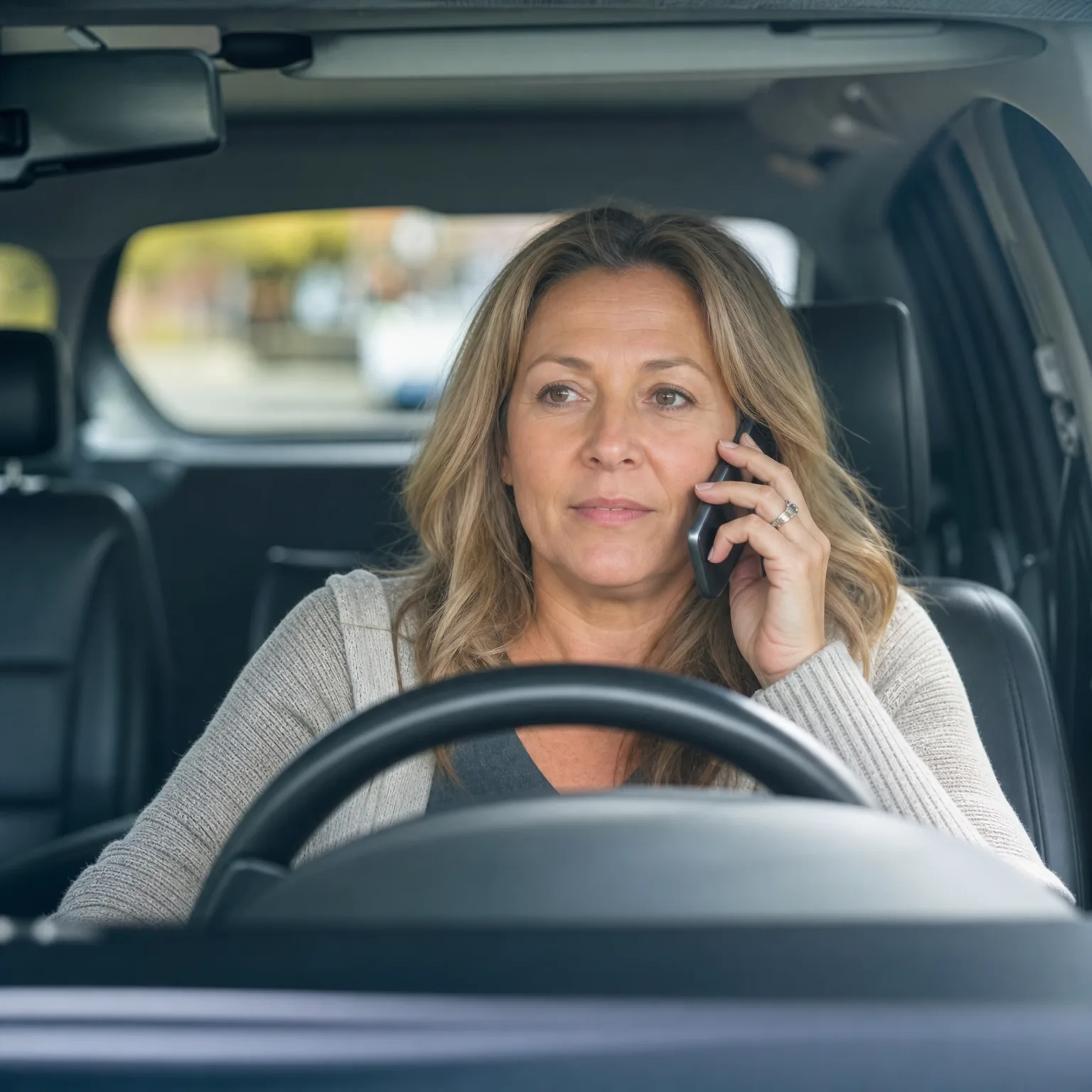
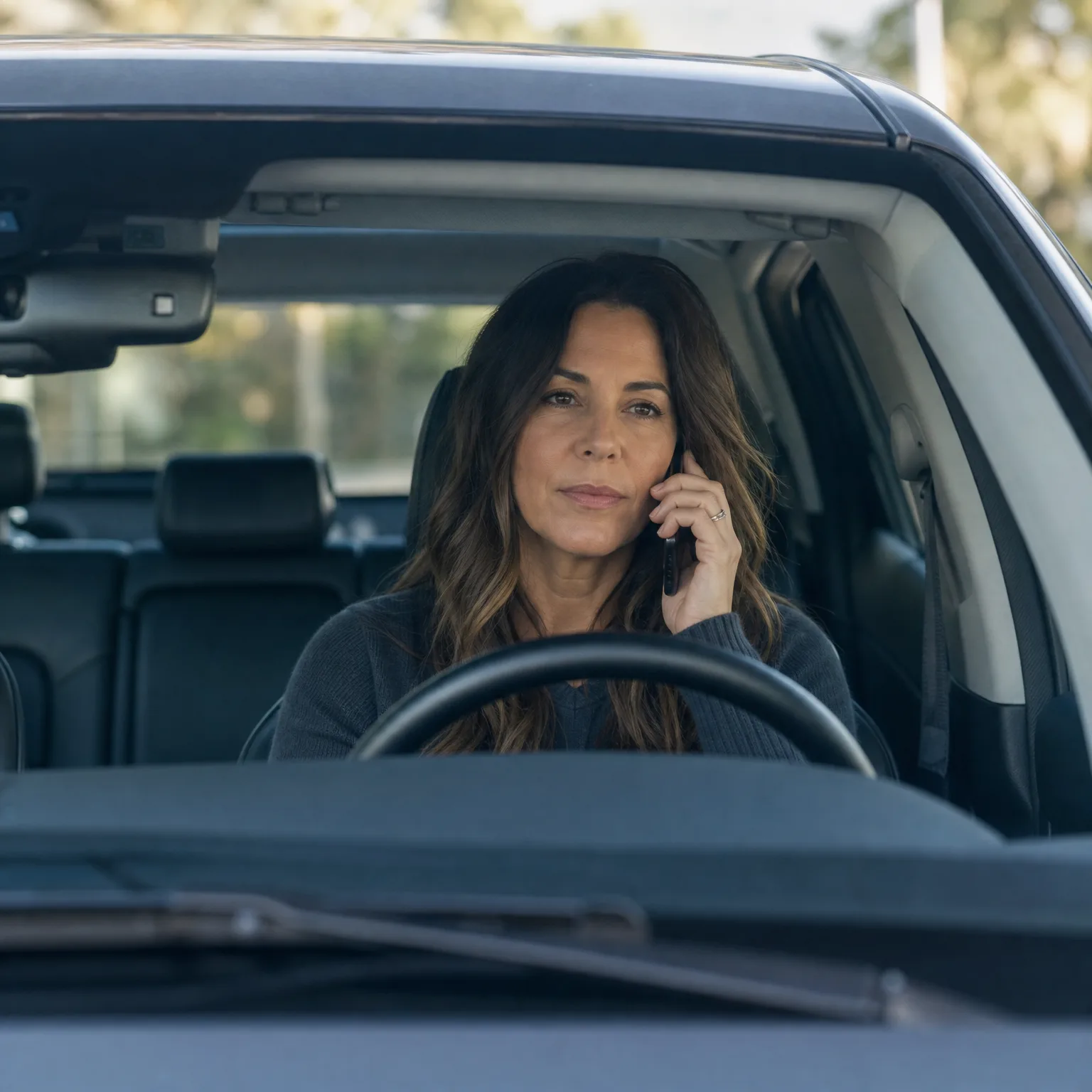
The structural failure case happens when you borrow a car whose owner has no active insurance. Alabama law requires the vehicle owner to carry liability coverage, but suspensions, lapses, and unregistered vehicles create gaps. If you borrow an uninsured car and cause an accident, your non-owner SR-22 policy responds as primary — you are now liable for the full claim amount up to your policy limits.
Carriers treat uninsured-vehicle claims as high-severity events. Even a minor at-fault accident borrowing an uninsured car can trigger premium increases or non-renewal at your next policy term. The SR-22 filing itself prohibits coverage lapses for three years, so you cannot simply drop the policy — ALEA suspends your license again if the carrier cancels or you fail to renew.
Before borrowing any vehicle, confirm the owner carries active liability coverage. Alabama's Online Insurance Verification System tracks coverage in real time, but vehicle owners do not always know their policy has lapsed. If the owner cannot show proof of current coverage, do not drive the car — your non-owner SR-22 will cover the liability, but the claims history and premium consequences follow you for years.
$275 + $200
Alabama DUI Reinstatement Fees
ALEA charges a $275 base reinstatement fee plus an additional $200 DUI-specific fee, totaling $475 before SR-22 filing costs. These fees are due at reinstatement and do not include the three-year SR-22 premium obligation.
Alabama Law Enforcement Agency fee schedule
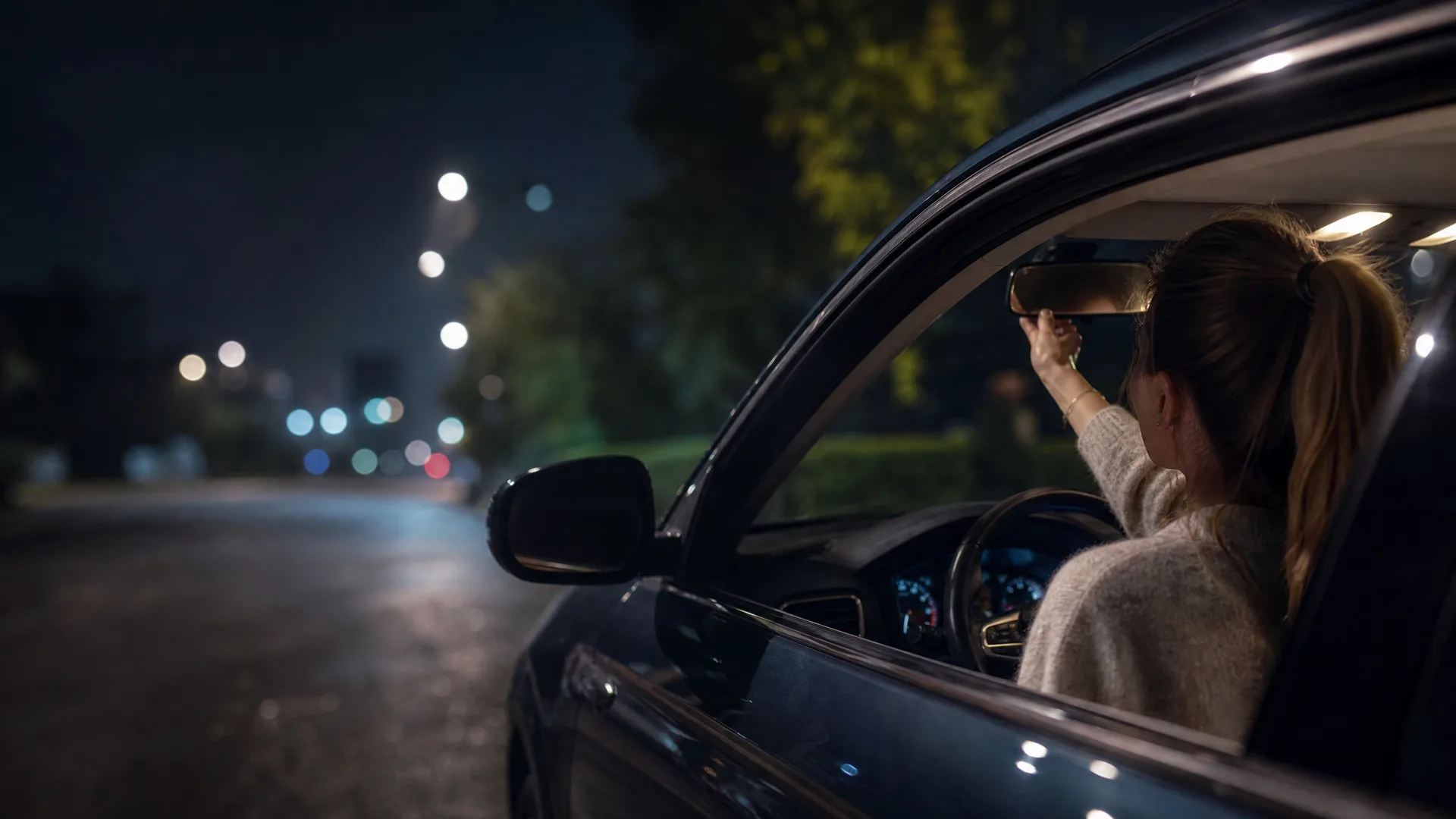
Rental Cars and Non-Owner SR-22 Interaction
Rental agencies provide primary liability coverage as part of the rental agreement — your non-owner SR-22 acts as secondary coverage only. If you decline the rental agency's collision damage waiver, your non-owner policy does not cover damage to the rental vehicle itself. Non-owner SR-22 is liability-only; physical damage to any vehicle you drive requires separate coverage.
Some rental agencies in Alabama refuse to rent to drivers carrying SR-22 certification, treating the filing as a high-risk indicator. Enterprise, Hertz, and Budget locations vary by franchise policy — call ahead and confirm SR-22 acceptance before arriving. Smaller local agencies and peer-to-peer rental platforms (Turo, Getaround) have inconsistent SR-22 policies; read the rental agreement's insurance requirements section carefully.
Compare Alabama Non-Owner SR-22 Carriers Now
Non-owner SR-22 satisfies Alabama's three-year filing mandate and provides liability coverage when borrowing uninsured vehicles or filling gaps beyond the owner's policy limits. It does not replace the vehicle owner's insurance, and it does not cover physical damage to cars you drive. Monthly premiums range $40–$85 depending on your suspension trigger and driving history.
Geico, Progressive, Dairyland, The General, and GAINSCO all write non-owner SR-22 in Alabama with direct online quotes. Compare monthly rates now — ALEA monitors the filing continuously, and any lapse restarts your three-year clock and triggers immediate suspension. Get non-owner SR-22 quotes for Alabama reinstatement and lock in coverage that keeps your license valid while you rebuild.
What Non-Owner SR-22 Actually Covers in Alabama
The policy covers bodily injury and property damage liability when you borrow a friend's car, rent a vehicle (as secondary to rental agency coverage), or drive an acquaintance's car with permission. It does not cover damage to the vehicle you are driving — that requires the owner's collision coverage or a separate rental policy. Non-owner SR-22 also excludes vehicles you use regularly, even if titled to someone else. If you borrow your partner's car daily for work, insurers treat that as regular access and exclude it from non-owner coverage.
Alabama carriers writing non-owner SR-22 — Geico, Progressive, Dairyland, The General, GAINSCO — price policies based on your driving record and the SR-22 filing requirement, not vehicle value. Monthly premiums typically run $40–$85 for minimum state limits with SR-22 endorsement. Drivers with DUI suspensions pay toward the higher end; insurance-lapse suspensions trend lower. The filing itself adds $15–$25 to the policy cost, separate from the base premium.
Get Your Free Quote
Get My Alabama SR-22 Auto Insurance QuoteFrequently Asked Questions
Does non-owner SR-22 cover me if I borrow a friend's car in Alabama?
Your friend's auto insurance provides primary liability coverage when you borrow their car with permission. Your non-owner SR-22 only responds if their policy limits are exhausted or if they have no active insurance. Most borrowed-car driving is covered entirely by the vehicle owner's policy, not yours.
Can I rent a car with non-owner SR-22 in Alabama?
Yes, but rental agencies provide primary liability coverage and your non-owner SR-22 acts as secondary. Some Alabama rental locations refuse SR-22 drivers — call ahead to confirm acceptance. Non-owner policies do not cover physical damage to rental vehicles; you must purchase the rental agency's collision waiver separately.
How much does non-owner SR-22 cost in Alabama?
Monthly premiums typically run $40–$85 for minimum liability limits with SR-22 endorsement. DUI-related suspensions trend toward the higher end; insurance-lapse suspensions cost less. The SR-22 filing fee itself adds $15–$25 to the base premium, charged by the carrier to file with ALEA.
What happens if I borrow an uninsured car with non-owner SR-22?
Your non-owner SR-22 policy becomes primary liability coverage, exposing you to the full claim amount up to your policy limits. Carriers treat uninsured-vehicle accidents as high-severity events, often triggering premium increases or non-renewal. Always confirm the vehicle owner carries active insurance before driving.
Does non-owner SR-22 satisfy Alabama reinstatement requirements?
Yes. Alabama accepts non-owner SR-22 as valid proof of financial responsibility for the three-year filing period following DUI-related suspensions. ALEA monitors the filing continuously — any cancellation or lapse triggers immediate re-suspension and restarts the three-year clock.
Can I use non-owner SR-22 for a car I drive regularly?
No. Non-owner policies exclude vehicles you have regular access to, even if titled to someone else. If you borrow your partner's car daily for work, insurers treat that as regular use and deny coverage. You need a standard auto policy listing that vehicle.